
An experienced operations https://www.bookstime.com/articles/ai-invoice-processing leader who prioritises service delivery & client satisfaction. Over a decade, he has consistently driven innovation to achieve optimal client outcomes. His progressive & supportive management style has nurtured talent and revolutionised audit tools, processes, and systems. Michael is a passionate advocate for improvement, consistently working on initiatives to unify teams and build client audits from the ground up.
BY BUSINESS OUTCOME
- Along with times of uncertainty, there are other situations that can cause a company to see an increase in duplicate payments.
- Finally, they are embarrassing and reflect poorly on your company to your vendors and suppliers.
- Over time, the cumulative effect of duplicate payments can lead to significant financial loss.
- Proper invoice payment helps eliminate the tendency for duplicate payments.
- Discrepancies in these data points can signal the presence of a duplicate payment.
- The American Productivity & Quality Center found that one to two percent of payments are duplicates.
- Learn how to address and resolve duplicate IRS payments efficiently, ensuring your financial records are accurate and up-to-date.
These duplicate vendor entries can make it appear as though a payment has not been posted, resulting in double invoice payments. Manual entry mistakes during the invoice entry process are often the root causes of duplicate payments. An error entering the invoice number or another piece of identifying data may cause the incorrect payment. Duplicate spend is harmful to your financial health and reporting accuracy.

Journal Entry
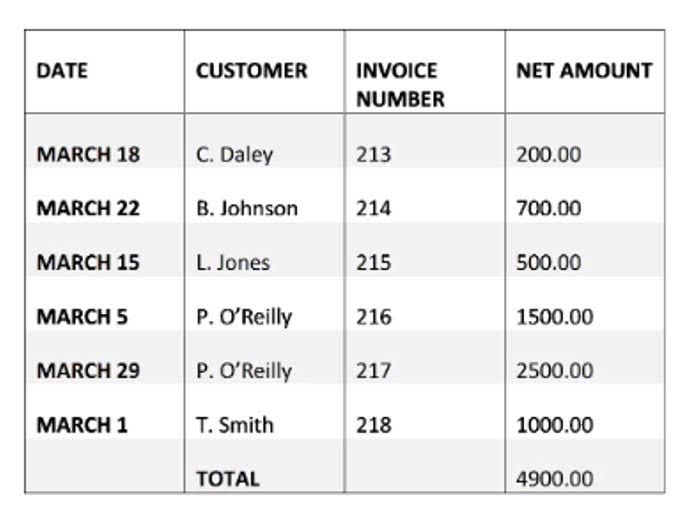
For example, ‘TNA9876’ and ‘TAN9876’ may be flagged as separate invoices, which can go unnoticed unless manually verified. Manual entry errors or multiple invoice sources without OCR automation compound this issue, leading to missed duplicates and potential overpayments. AI-driven AP automation within the duplicate payment software detects duplicate invoices more quickly and accurately than traditional ERP systems.
Real world examples of organizations using these techniques
- BILL’s AP automation software opens invoices that arrive by email, reads them, and enters the data for your review.
- Duplicate payments are not always considered fraud, depending on the circumstances.
- This structured approach to vendor management significantly reduces the risk of duplicate payments caused by vendor file inconsistencies.
- Staff must be trained on how to identify existing credits and when and how to ensure that credit is being properly exchanged for future goods or services.
- Not only will prompt payment strengthen your vendor relationships, but it will also cut down on confusion in your AP department if vendors send a second invoice as a reminder for payment.
- When businesses receive multiple copies of the same invoice, there is a higher chance of accidental duplication during the payment process.
- This could impact future budgets along with your organization’s ability to have a true understanding of their financial position.
Artificial intelligence (AI) and machine learning can analyze payment history and patterns to identify duplicates, even when minor details are altered. Routine audits of payment processes and financial records help detect duplicate payments. Preventing duplicate payments requires a multifaceted approach encompassing people, processes, and technology. Implementing robust internal controls and how to prevent duplicate payments segregation of duties can help mitigate the risk of duplicate payments arising from human error or fraudulent activities. Establishing clear approval workflows and documentation procedures can streamline the invoice approval process and reduce the likelihood of duplicate payments slipping through the cracks.
Understanding the Dunning Process: Key Insights, Challenges
Addressing duplicate payments is crucial for maintaining financial integrity and operational efficiency within an organization. Duplicate payments represent a significant financial and operational challenge for businesses, often signaling deeper issues within the accounts payable process. These redundant transactions not only drain resources but also expose companies to potential fraud and compliance risks. By examining various case studies, we can uncover common patterns and pitfalls that lead to duplicate payments and, more importantly, learn how to prevent them. From the perspective of an accounts payable clerk to the CFO, the lessons drawn from these scenarios are invaluable in tightening controls and enhancing the integrity of financial systems. AP automation solutions can prevent duplicate payments by automatically checking for them before a payment is made.
- First and foremost, it is crucial to establish a comprehensive system for effectively tracking and managing invoices.
- For example, DOKKA automatically identifies duplicate invoices, which significantly reduces the risk of duplicate payments.
- These errors are often unintentional and result from flaws in the payment processing system or human oversight.
- Tax software errors or user mistakes during e-filing can also cause duplicate payments.
- Implementing strong internal controls is a primary step to prevent duplicate payments.
- For those needing immediate liquidity, requesting a refund may be the best option.
The platform enforces predefined approval workflows, ensuring large transactions receive appropriate scrutiny and suspicious patterns trigger automatic reviews. The system’s instant searchability means payment history is always at your fingertips. Remember, preventing duplicate payments isn’t just about saving money — it’s about building efficient, reliable financial operations that support your company’s growth. By implementing these best practices, you’re not just stopping duplicate payments, https://belenmty.com.mx/what-is-an-escrow-agreement-and-account-in-real/ you’re creating a foundation for financial excellence. While technology and processes are crucial, don’t forget the human element. Regular training sessions for AP staff help reinforce best practices and keep everyone alert to potential red flags.