
Marathi cinema actors
Marathi cinema has produced some of the most critically acclaimed and commercially successful films in Indian cinema. Notable Marathi films include «Shwaas» (2004), «Harishchandrachi Factory» (2009), «Sairat» (2016), and «Court» (2014) gambling-us-games.com/.
Known for his remarkable acting range, Atul Kulkarni has been a part of Marathi cinema’s significant films. His roles in movies like Natrang and Valu have highlighted his ability to transition between diverse characters seamlessly.
Fondly regarded as the “Shah Rukh Khan of Marathi cinema,” Swapnil Joshi is a superstar whose versatility has wooed audiences across mediums. He rose to prominence with hits like Mumbai-Pune-Mumbai and its sequel, while his television work (Eka Lagnachi Dusri Goshta) also earned widespread acclaim. Joshi’s charismatic screen presence and consistent box-office success make him a pillar of the industry.
Marathi actors have earned popularity through exceptional talent, compelling performances, and a deep connection to their craft. Several factors contribute to the widespread recognition and admiration these actors receive:
Known for his iconic roles in Marathi cinema, Dilip Prabhavalkar has also impacted Hindi films. He appeared in movies like Lage Raho Munna Bhai, where he portrayed Mahatma Gandhi, and Munnabhai M.B.B.S., showcasing his versatility.
Leading Marathi actors
Nimrat Kaur is back with a powerful role in Kull: The Legacy of the Raisinghs, a family drama that dives deep into generational wounds and societal facades. The actor, known for her intensity and grace, brings a haunting vulnerability to her character Indrani. In an exclusive chat with LIPIKA VARMA, Nimrat discusses the show’s themes, her artistic journey, and the emotional tribute she recently paid to her father. On the title, “Kull”- Yes, absolutely, kull is an interesting word, right? Kul-dosh, kul-ko-aage-badhane-wala. It symbolizes lineage, burdens, responsibilities. I really liked the title when Ekta chose it. I hoped it would stay. For me, Kull represents generational trauma and the weight we carry forward. On Indrani, her character-I feel incredibly grateful that people have embraced Indrani Rai Singh’s part and they have been able to relate to her circumstances, not necessarily her as a person, which I think was my intention in any case in the first place. Behind the sarees, the pearls, the carefully curated perfection, there’s a broken woman barely holding it together. By the end, she becomes so lost in her own delusions, she can’t even tell what’s real anymore. On doing justice to all the characters–Meryl Streep once said, you don’t become someone else entirely—you bring bits of yourself into every role. And that’s so true. I live on my own, I make my own decisions, I have a certain kind of independence in how I think and move through the world. That probably seeps into the women I play. Every character has a journey, a heartbeat—I always try to tap into that. Working with Ekta Kapoor- Ekta gave me my first web series, “The Test Case,” before OTT platforms even existed. That was a bold move. She gave me a platform when the space was still
Some of the most prominent figures in Marathi cinema include directors such as V. Shantaram, Raja Paranjape, Jabbar Patel, and Amol Palekar, and actors such as Dada Kondke, Laxmikant Berde, Ashok Saraf, and Sonali Kulkarni.
A heartthrob of Marathi cinema, Swapnil Joshi’s charming performances have won the hearts of audiences. Known for his roles in romantic comedies like Mumbai-Pune-Mumbai and Duniyadari, he has a special place among Marathi moviegoers.
Nimrat Kaur is back with a powerful role in Kull: The Legacy of the Raisinghs, a family drama that dives deep into generational wounds and societal facades. The actor, known for her intensity and grace, brings a haunting vulnerability to her character Indrani. In an exclusive chat with LIPIKA VARMA, Nimrat discusses the show’s themes, her artistic journey, and the emotional tribute she recently paid to her father. On the title, “Kull”- Yes, absolutely, kull is an interesting word, right? Kul-dosh, kul-ko-aage-badhane-wala. It symbolizes lineage, burdens, responsibilities. I really liked the title when Ekta chose it. I hoped it would stay. For me, Kull represents generational trauma and the weight we carry forward. On Indrani, her character-I feel incredibly grateful that people have embraced Indrani Rai Singh’s part and they have been able to relate to her circumstances, not necessarily her as a person, which I think was my intention in any case in the first place. Behind the sarees, the pearls, the carefully curated perfection, there’s a broken woman barely holding it together. By the end, she becomes so lost in her own delusions, she can’t even tell what’s real anymore. On doing justice to all the characters–Meryl Streep once said, you don’t become someone else entirely—you bring bits of yourself into every role. And that’s so true. I live on my own, I make my own decisions, I have a certain kind of independence in how I think and move through the world. That probably seeps into the women I play. Every character has a journey, a heartbeat—I always try to tap into that. Working with Ekta Kapoor- Ekta gave me my first web series, “The Test Case,” before OTT platforms even existed. That was a bold move. She gave me a platform when the space was still
Some of the most prominent figures in Marathi cinema include directors such as V. Shantaram, Raja Paranjape, Jabbar Patel, and Amol Palekar, and actors such as Dada Kondke, Laxmikant Berde, Ashok Saraf, and Sonali Kulkarni.
Marathi cinema actors
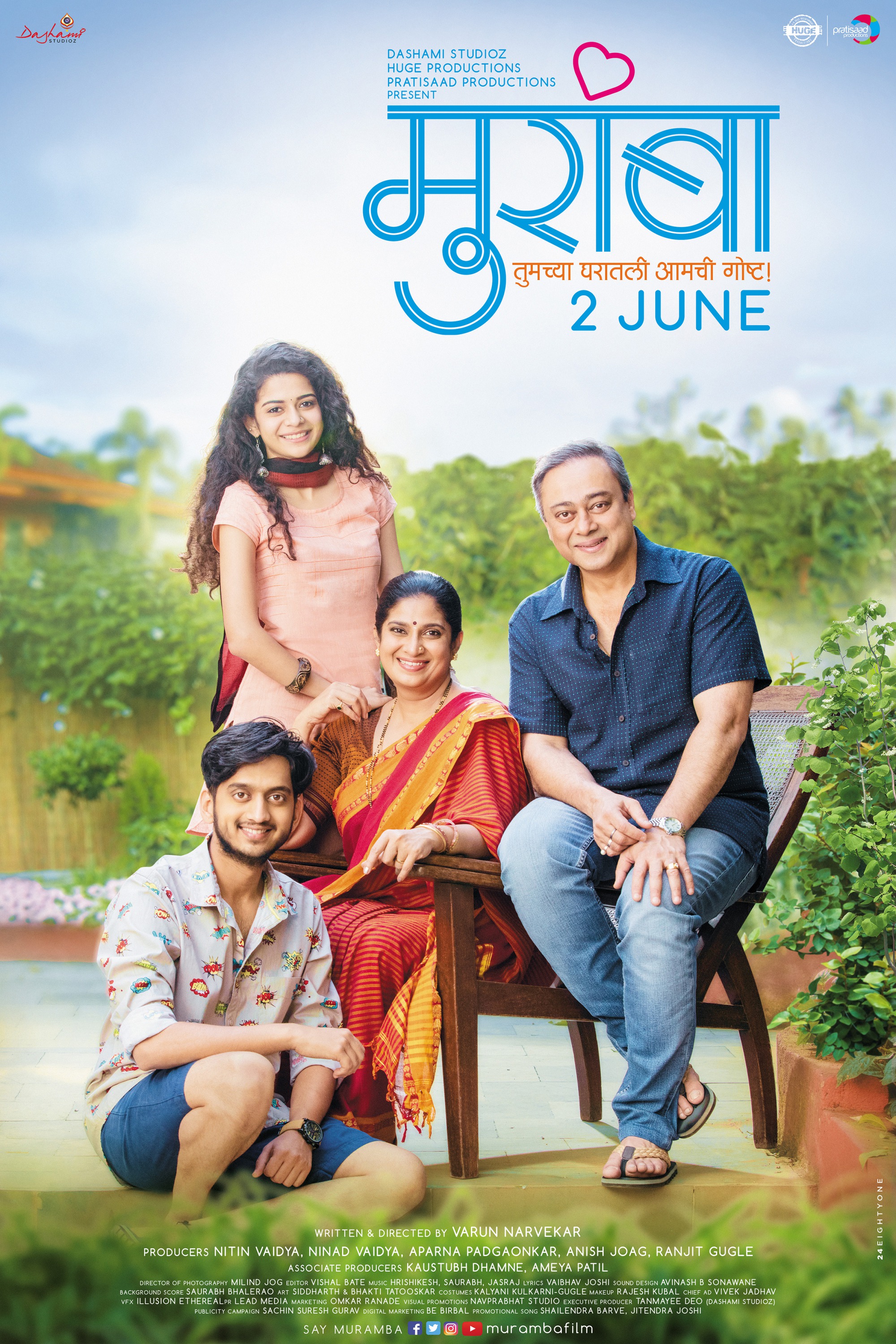
The Marathi film industry is based in Mumbai, Maharashtra, and is known for its strong focus on social realism, experimental filmmaking, and art house cinema. Marathi films often explore themes of social injustice, poverty, and the human condition.
Yes, many Marathi actors have successfully crossed over to the Hindi film industry, showcasing their talent and versatility on a larger platform. The rich pool of acting talent in Marathi cinema has often caught the attention of Bollywood, allowing actors to make their mark beyond regional boundaries. Several Marathi actors have seamlessly transitioned into Hindi films, using their acting skills and unique charm to carve a niche for themselves. Actors like Nana Patekar, Atul Kulkarni, and Sharad Kelkar, among others, have established themselves in Marathi and Hindi cinema. They have brought their distinctive styles and performances to Bollywood, taking on diverse roles that span across genres. Nana Patekar’s intense acting and powerful screen presence have earned him recognition in Hindi films, with notable performances in movies like «Parinda» and «Krantiveer.» Atul Kulkarni’s exceptional range has allowed him to excel in both languages, portraying characters with depth in films like «Rang De Basanti» and «Page 3.» Marathi actresses have also made their presence felt in the Hindi film industry. Mukta Barve, known for her remarkable performances in Marathi cinema, garnered attention with her role in «Jugjugg Jeeyo.» Amruta Khanvilkar, after establishing herself in Marathi films, ventured into Hindi cinema with movies like «Raazi» and «Malang.» These crossovers demonstrate the versatility and calibre of Marathi actors, allowing them to showcase their talent on a broader canvas.
Dubbed the “queen of Marathi cinema,” Sai Tamhankar shines in roles across theatres, television, and film. Her notable works include Vazandar, Love Sonia, and her notable TV anchor stint on Fu Bai Fu . Known for her bold role choices and layered performances, she holds a unique place in the industry.
The Marathi film industry is based in Mumbai, Maharashtra, and is known for its strong focus on social realism, experimental filmmaking, and art house cinema. Marathi films often explore themes of social injustice, poverty, and the human condition.
Yes, many Marathi actors have successfully crossed over to the Hindi film industry, showcasing their talent and versatility on a larger platform. The rich pool of acting talent in Marathi cinema has often caught the attention of Bollywood, allowing actors to make their mark beyond regional boundaries. Several Marathi actors have seamlessly transitioned into Hindi films, using their acting skills and unique charm to carve a niche for themselves. Actors like Nana Patekar, Atul Kulkarni, and Sharad Kelkar, among others, have established themselves in Marathi and Hindi cinema. They have brought their distinctive styles and performances to Bollywood, taking on diverse roles that span across genres. Nana Patekar’s intense acting and powerful screen presence have earned him recognition in Hindi films, with notable performances in movies like «Parinda» and «Krantiveer.» Atul Kulkarni’s exceptional range has allowed him to excel in both languages, portraying characters with depth in films like «Rang De Basanti» and «Page 3.» Marathi actresses have also made their presence felt in the Hindi film industry. Mukta Barve, known for her remarkable performances in Marathi cinema, garnered attention with her role in «Jugjugg Jeeyo.» Amruta Khanvilkar, after establishing herself in Marathi films, ventured into Hindi cinema with movies like «Raazi» and «Malang.» These crossovers demonstrate the versatility and calibre of Marathi actors, allowing them to showcase their talent on a broader canvas.
Dubbed the “queen of Marathi cinema,” Sai Tamhankar shines in roles across theatres, television, and film. Her notable works include Vazandar, Love Sonia, and her notable TV anchor stint on Fu Bai Fu . Known for her bold role choices and layered performances, she holds a unique place in the industry.